





A Simple Vetting Checklist
Before you contribute, confirm the organization’s mission, public records, and contact details. Check whether tasks have clear outcomes and whether past volunteers report seeing results. Review safeguarding practices for youth or vulnerable groups. Confirm whether completion guidelines are specific and time‑bounded. Ensure the platform explains how your micro‑contribution rolls into larger projects. A concise checklist prevents headaches, protects communities, and increases the chance your minutes become measurable impact rather than lost effort or confusing, unacknowledged work.
Data Privacy and Healthy Boundaries
Share only necessary information, use strong unique passwords, and avoid posting personal details in open forums. Prefer platforms with explicit retention policies, secure communication channels, and options to remove your data. Decline tasks that request sensitive documents without a compelling reason. Set time limits and disable push notifications when focus is needed elsewhere. Healthy boundaries create sustainable habits, ensuring micro‑volunteering remains energizing rather than intrusive. Protecting your privacy also protects the people and organizations you aim to support.
Accessibility and Inclusion Matter
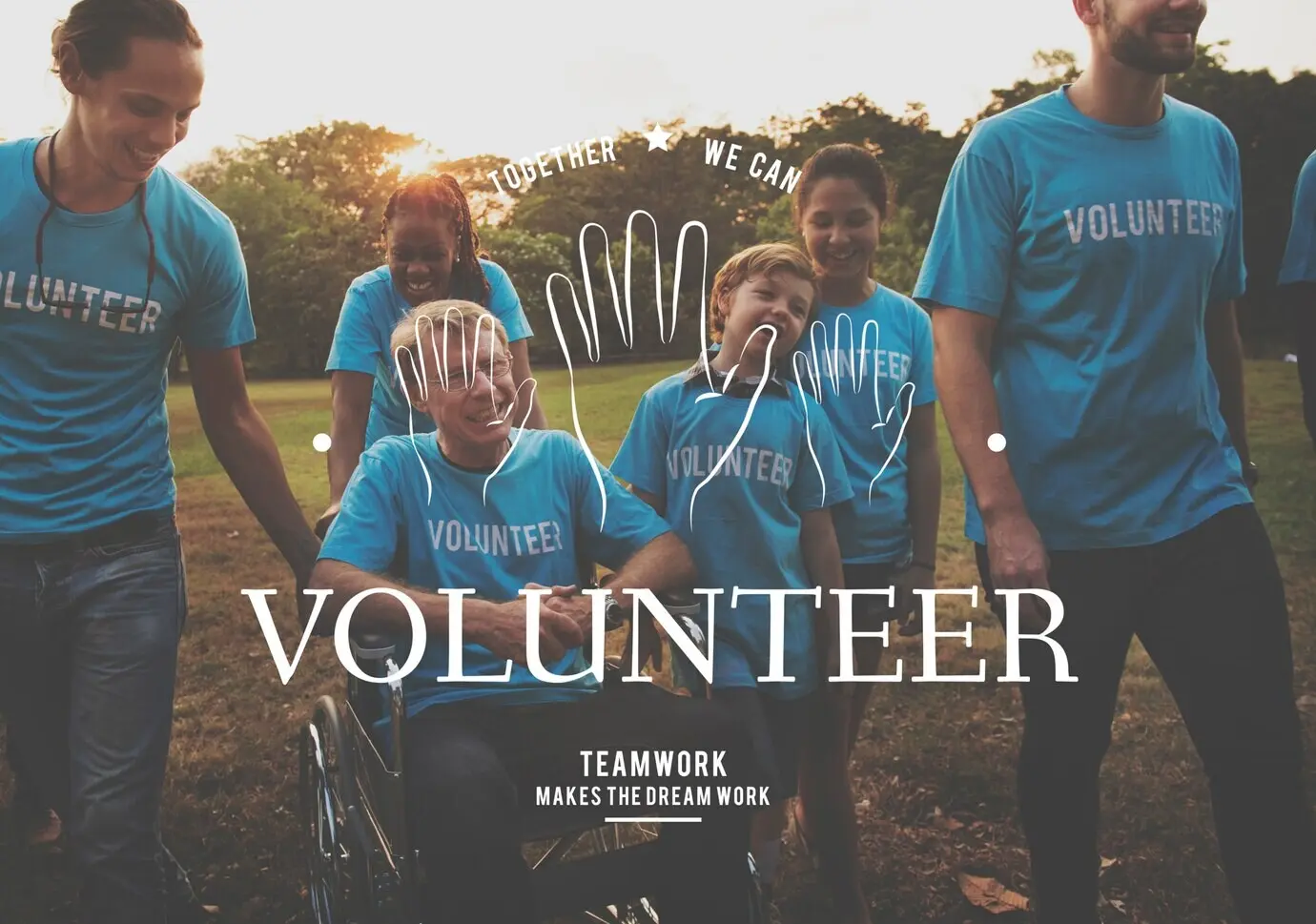
Seek tools that support screen readers, captions, high‑contrast modes, and keyboard navigation. Favor projects offering multilingual instructions and flexible timing so caregivers, shift workers, and neurodivergent volunteers can participate comfortably. Encourage inclusive language and invite feedback about barriers you notice. When accessibility sits at the center, efforts scale further and faster. Micro‑volunteering for busy lives should welcome every schedule, device, and ability, transforming fragmented minutes across many people into a synchronized, compassionate force for practical progress.